
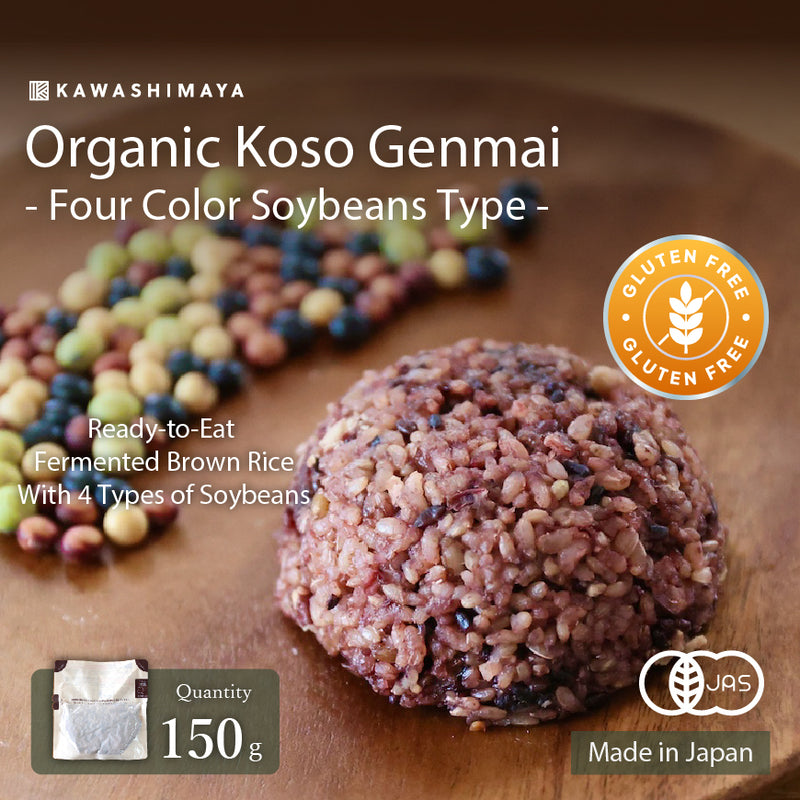
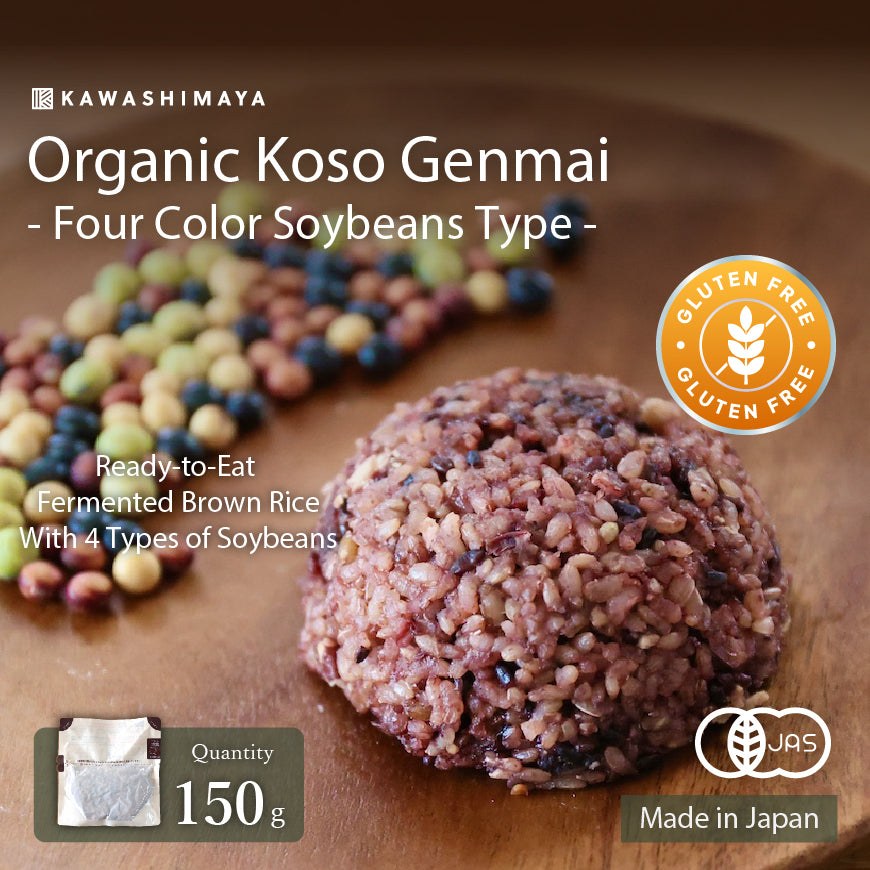
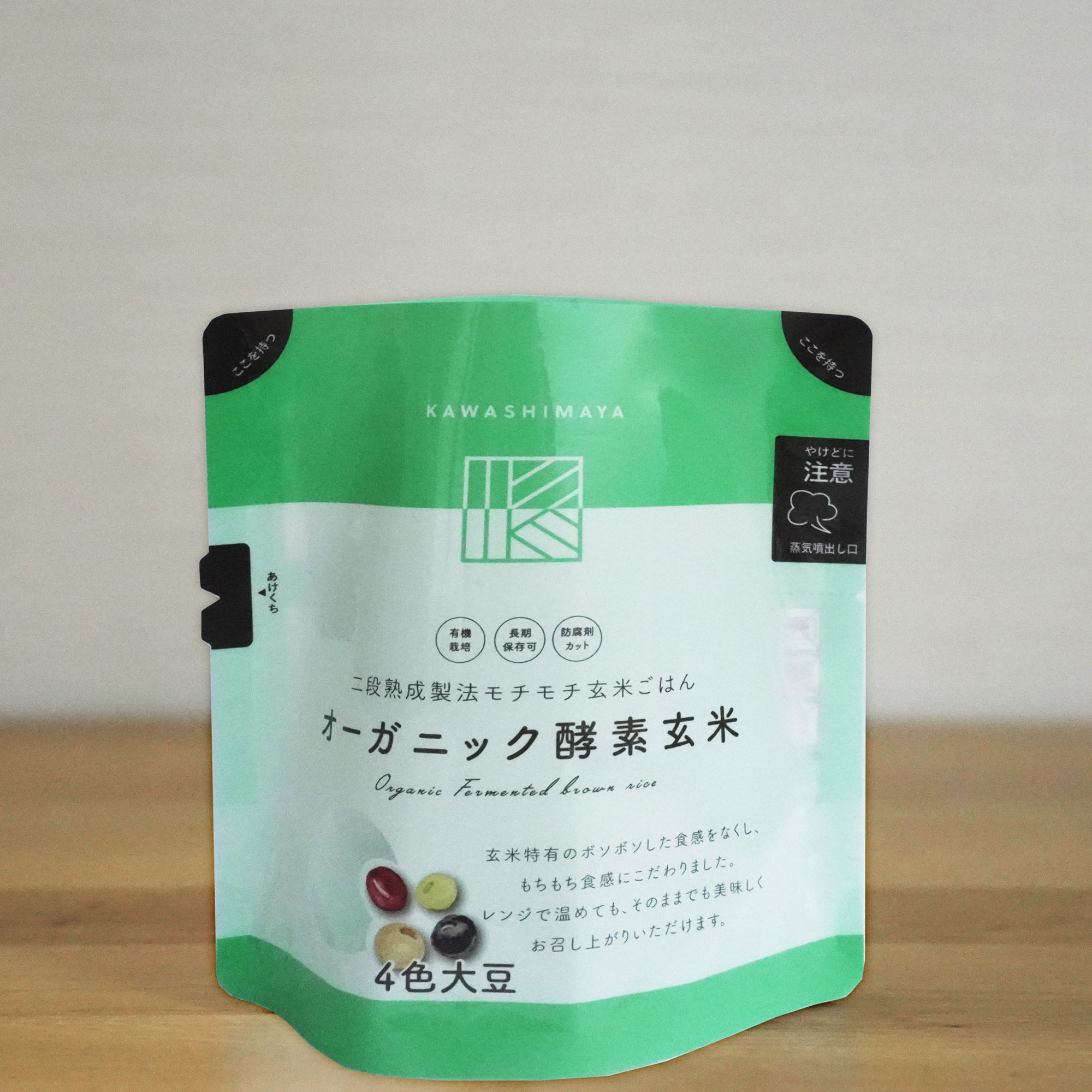
Organic Instant Fermented Brown Rice (Koso Genmai) 4 Color Soybean Type 150g - Certified Gluten Free
In stock
Registered Dietitian’s Recommendation Point ①: Soft and Easy-to-Eat Soybeans
Registered Dietitian
Yurie Ando

Daily Beauty Care with Soy Isoflavones, Protein, and Saponins
“Four-Color Soybean Enzyme Brown Rice” for Comprehensive Beauty Support

We generously added four types of soybeans: yellow soybeans, green soybeans, red soybeans, and black soybeans. Soybeans contain nutrients that are often difficult to obtain in everyday meals, such as protein, dietary fiber, isoflavones, and saponins. We invite you to try this four-color soybean variety that supports both beauty and health.

“Enzyme Brown Rice” is made by cooking brown rice with azuki beans and salt, then allowing it to rest and mature for two to three days. One of the greatest features of enzyme brown rice is its texture. Through the resting process, the brown rice develops a uniquely chewy, mochi-like texture, making it easy to eat for everyone—from children to the elderly.
We want those who care about their beauty, as well as those who value their family’s health, to enjoy enzyme brown rice. With that wish in mind, Kawashimaya has packed our dedication into every pouch.
Now certified Gluten-Free
Our fermented brown rice is now certified as gluten-free. Perfect for those who are struggling with celiac disease or just want to avoid gluten in general.


All of the soybeans used are organically grown and are extremely rare even within Japan. To allow you to fully enjoy their texture, the soybeans are not crushed, but used whole in the enzyme brown rice. The gently sweet flavor of the soybeans pairs perfectly with the brown rice.
Higher Isoflavone Content Than Soy Milk: Isoflavones in Simmered Soybeans

Soy isoflavones, which are important for maintaining beauty, can be consumed in amounts almost comparable to natto when soybeans are simmered. That amount is nearly three times higher than in soy milk! This makes it a convenient and recommended option for those who do not enjoy soy milk or natto but still want to easily take in isoflavones.
Registered Dietitian’s Recommendation Point ②: Rich in Bean Nutrients
In addition to nutrient-rich brown rice, black rice that is also high in polyphenols, and azuki beans, this product contains four types of soybeans: yellow soybeans, black soybeans, green soybeans, and red soybeans. It’s great to be able to enjoy the unique nutrients of each type of bean all at once.
Registered Dietitian
Yurie Ando

Even More Delicious—Soft and Chewy Even After Cooling: Renewed with Our “Two-Stage Aging Stand-Up Pouch Method”
One of the challenges of enzyme brown rice has been that it tends to become hard once cooled, losing both flavor and texture.
However, Kawashimaya has solved these issues with our uniquely developed “Two-Stage Aging Stand-Up Pouch Method.”
By applying two carefully managed aging steps during the maturation process, the rice remains soft and deeply flavorful even after being heated in the microwave and allowed to cool. We invite you to experience the difference in both texture and taste.
The World’s First “Organic” Enzyme Brown Rice Made Exclusively with Domestically Grown Organic Ingredients

We generously use organically grown azuki beans from Hokkaido, a crop known to be particularly difficult to cultivate. By combining these rare azuki beans with high-quality brown rice and grains that can only be harvested in limited quantities, we have achieved a rich flavor unlike anything else.
In order to complete this organic enzyme brown rice, we were fortunate to receive precious crops from dedicated producers. Please try this exceptionally rare organic enzyme brown rice and experience the difference for yourself.
Rich in Dietary Fiber, with Beauty-Boosting Vitamins and GABA
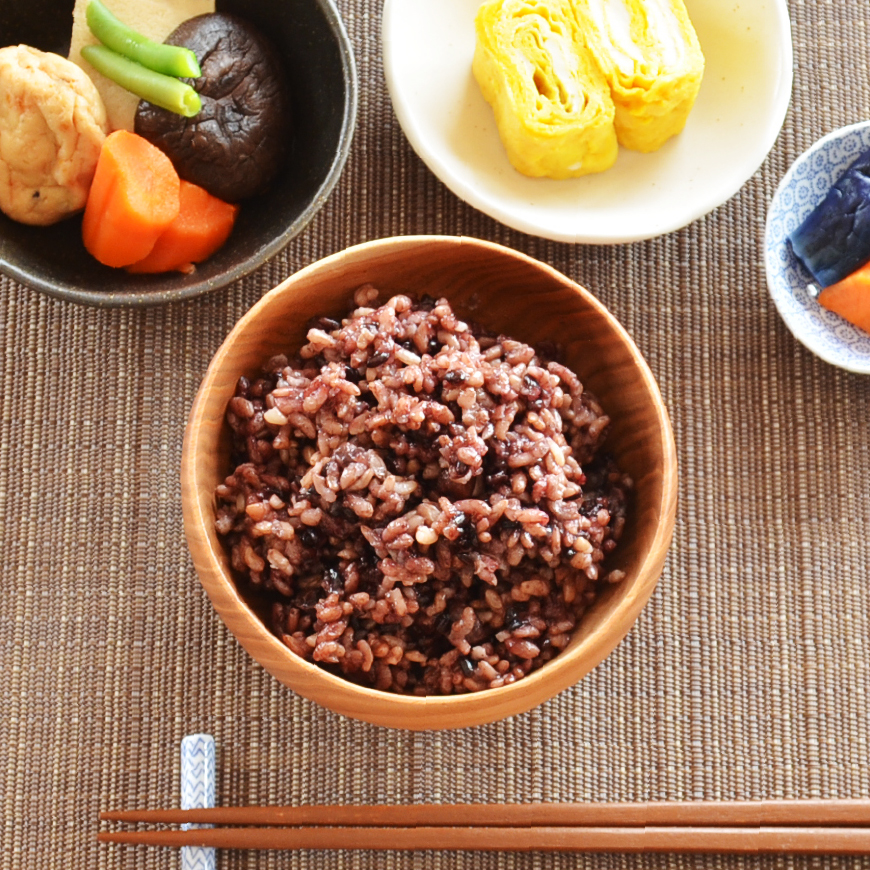
Enzyme brown rice undergoes low-temperature aging, which significantly enhances the nutritional value of brown rice. It is packed with nutrients such as vitamins that help maintain beauty, minerals that support strength and vitality, essential amino acids, and dietary fiber.
In addition, it contains a generous amount of GABA, which actively supports the body in coping with daily stress and fatigue. This makes it highly recommended for those who want to “get proper nutrition even when busy” or “experience a natural sense of lightness and balance.”
Slowly and Thoroughly Aged with Salt Koji Enzymes to Bring Out Umami, with Carefully Reduced Salt Content

Salt koji enzymes have the ability to break down starches and proteins, drawing out the natural sweetness and umami of the ingredients to the fullest. By combining them with brown rice and grains and allowing the mixture to rest and mature, the inherent deliciousness of enzyme brown rice is further enhanced.
The mellow, rounded saltiness unique to salt koji results in a product you can enjoy every day without growing tired of it. With daily consumption in mind, the salt content is kept below 1%, making it suitable for those who are mindful of their salt intake. Please enjoy enzyme brown rice that pursues both health and great taste.
Four-Color Soybeans Grown by the Power of Nature, Without the Use of Pesticides or Chemical Fertilizers During the Growing Period

Growing organic soybeans is considered extremely challenging. Because yields can vary greatly depending on weather conditions, producers put in tremendous effort every year. Kawashimaya’s four-color soybean enzyme brown rice uses these precious organic soybeans, carefully cultivated under such demanding natural conditions.
Registered Dietitian’s Recommendation Point ③: For Those Who Feel Their Nutrition Is Unbalanced
This is a great option for people who like beans but find them difficult to cook regularly, or who don’t often have the opportunity to eat them. Being able to enjoy beans deliciously together with rice is a real plus. It’s also recommended for those who want to make sure they are getting enough protein, as you can take in plant-based protein from the beans directly through your rice, alongside your side dishes. For busy days, it’s also great as onigiri—compared to plain white rice, you can enjoy the nutritional benefits of both brown rice and soybeans all at once.
Registered Dietitian
Yurie Ando
Perfect for Replacing White Rice in Your Diet
150g per Pack—One Bowl Serving

Enzyme brown rice comes in a convenient stand-up pouch. Each pack contains 150g—just the right amount for one bowl of rice. Since brown rice is known for being filling, replacing your usual white rice with brown rice is also recommended as a way to naturally manage overall meal portions.
Stays Chewy Even After Cooling
Ideal for Bento Boxes and Onigiri

This convenient pouch is delicious even at room temperature and easy to carry, making it simple to enjoy in a variety of situations. Perfect for everyday meals, as well as for bento boxes and onigiri. ※ It can be enjoyed at room temperature, but heating it will make it even more delicious.
Registered Dietitian’s Recommendation Point ④: Easy to Eat Even When Cooled
When I have tried other brands of brown rice packs, they sometimes became difficult to eat once cooled, with hard or brittle portions appearing. This enzyme brown rice, however, remained soft and easy to eat even after cooling. It even seemed to become slightly chewier and more pleasant in texture. It would be great for packing into bento boxes or making onigiri to take with you.
Registered Dietitian
Yurie Ando
Long-Term Storage of Over One Year Made Possible by the Stand-Up Pouch Method
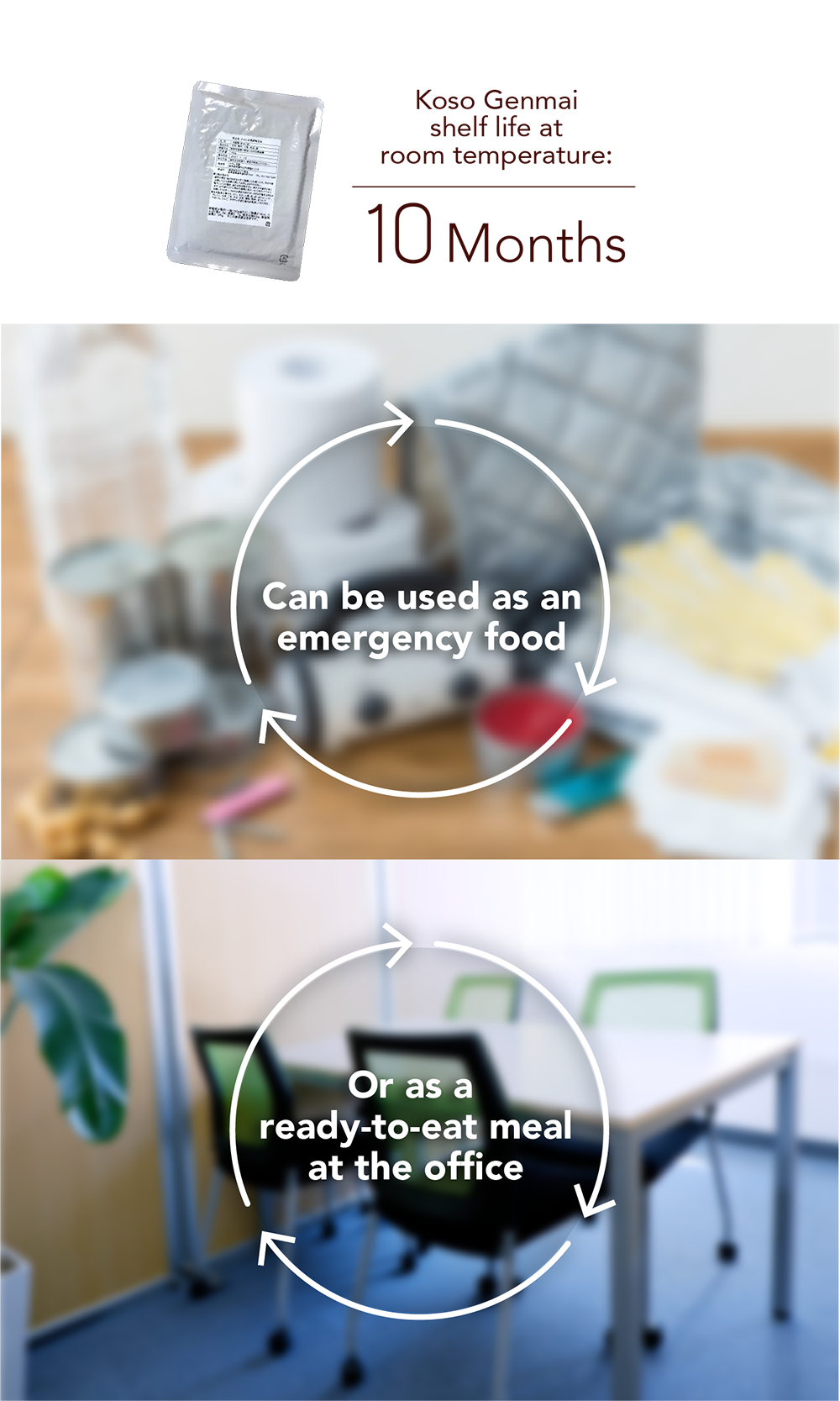
The best-before date is approximately 30 months or more at room temperature. It can also be used as emergency food stock for disasters. We also recommend keeping it in the office as a nutritious ready-to-eat meal.
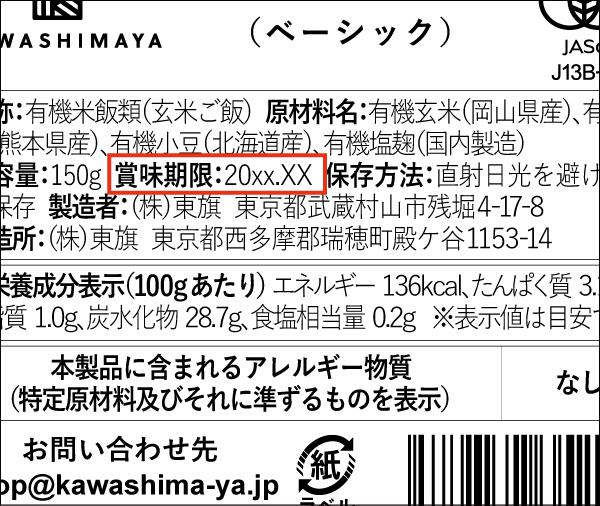
Regarding the Best-Before Date Label
Due to manufacturing processes at our factory, the best-before date may be printed on a separately applied label. Thank you for your understanding.
Enzyme Brown Rice That Supports Daily Health Maintenance

Enzyme brown rice is packed with nutrients from brown rice and whole grains, making it helpful for maintaining daily health and addressing common concerns. Why not start rethinking your health from the dining table?
Enjoy Nutritious Brown Rice with a Soft, Chewy Texture
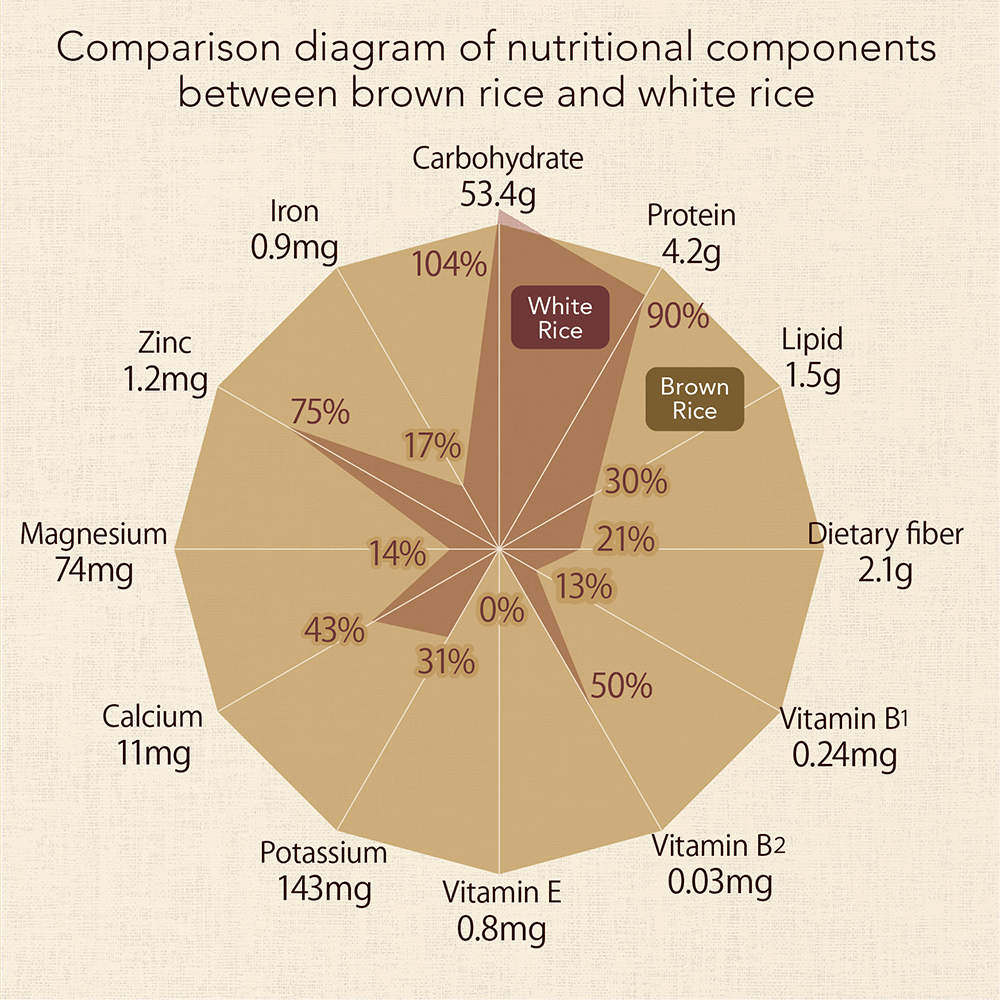
* Per one bowl of rice (150g). Percentages indicate the nutritional value of white rice when brown rice is set as 100.
* Source: Standard Tables of Food Composition in Japan (2015 Edition, Seventh Revision)
* Reference book: “Detox Enzyme Brown Rice Diet” by Haga Okamoto (Shufunotomo Co., Ltd.)
Because enzyme brown rice uses highly nutritious brown rice, it contains an abundance of high-quality nutrients. It is rich in essential nutrients such as vitamins, minerals, and dietary fiber, which tend to be lacking in modern diets.
Compared to white rice, the calorie content is almost the same, yet the nutritional value differs greatly.
For those who have felt that “brown rice is dry and difficult to eat,” we encourage you to experience its pleasantly chewy texture and rich flavor. Why not make your daily meals healthier and more satisfying?
Organic Brown Rice “Nikomaru” from Yamazaki Farm in Okayama Prefecture

Nikomaru brown rice is known for its excellent grain firmness and strong chewy texture, making it especially well-suited for enzyme brown rice. Growing rice without the use of pesticides or chemical fertilizers during the cultivation period requires tremendous effort, but the farmers carefully observe the rice’s condition every day, continuously refining their methods and improving the harvest.
Organic Azuki Beans “Erimo Azuki” from Offibira Farm in Hokkaido

We source organic Erimo azuki beans from Offibira Farm in Hokkaido, a crop known for being difficult to produce stably. Because no pesticides or chemical fertilizers are used during cultivation, growing azuki beans—which are sensitive to climate changes—requires tremendous dedication. The carefully nurtured azuki beans offer an exceptional flavor. Kawashimaya’s enzyme brown rice is cooked with special care to fully bring out the aroma and texture of these azuki beans.
Organic Black Rice from Kumamoto Prefecture, Sourced from Organic Farm

“Organic Farm” began practicing natural farming on just 10 ares after questioning modern scientific agriculture and choosing to follow the laws of nature. They believe that producing delicious agricultural products requires an environment where animals and microorganisms can thrive. For this reason, no chemical fertilizers or pesticides are used at any stage of cultivation. Through repeated natural food chains involving local animals and microorganisms, the soil is enriched naturally and sustainably.
Organic Black Rice from Ibaraki Prefecture, Sourced from Oshima Farm

At a time when food safety is under close scrutiny, Oshima Farm is committed to producing organically grown rice. Although weeds such as barnyard grass can hinder rice growth, they rely not on herbicides or pesticides but on careful manual work and ingenuity, nurturing their crops with dedication and care. By observing the rice plants daily and sometimes adopting unique cultivation methods that go beyond conventional wisdom, the farm approaches rice cultivation with creativity. These efforts culminate in “Hyakusho-mai,” a richly flavored and delicious rice.
Evaluated by Dr. Kubota from the Perspectives of Beauty and Health
Brown rice is clearly beneficial for beauty and health, but it is hard to continue eating it if it doesn’t taste good.
When I first tried enzyme brown rice, it was so delicious that I checked the label to confirm, “Is this really brown rice?” It was as satisfying as white rice. Since beauty and health are built through consistency, being able to continue easily and deliciously is truly appreciated. Many of the brown rice products I had tried before were bitter and dry, and I could only keep them up for one or two weeks. With this enzyme brown rice, however, it’s easy to enjoy even on days when cooking feels like a hassle.
My husband, who loves white rice and used to dislike brown rice, now asks, “Shall we have brown rice today?” He seems fully satisfied with it, even as a man with a hearty appetite.
Enzyme brown rice contains beneficial components such as biotin, which helps maintain healthy skin, hair, and nails; dietary fiber, which binds unnecessary fats and toxins and helps eliminate them from the body; and GABA, which is expected to help maintain skin elasticity. All of these desirable nutrients are packed into one food.
It is recommended not only for those who want to eat well and become more beautiful, but also for those who feel unwell due to a nutritionally unbalanced diet.

The Secret to Its Deliciousness Lies in the Two-Stage Aging Method and the Pouch

Kawashimaya’s enzyme brown rice is carefully cooked batch by batch by skilled craftsmen in our own factory, using organically grown ingredients delivered directly from farmers. Its signature chewy texture and deep, rich flavor come from our “Two-Stage Aging Stand-Up Pouch Method.” We invite you to experience the difference compared to conventional enzyme brown rice.
We have also received a recommendation from registered dietitian Miki Maeda.
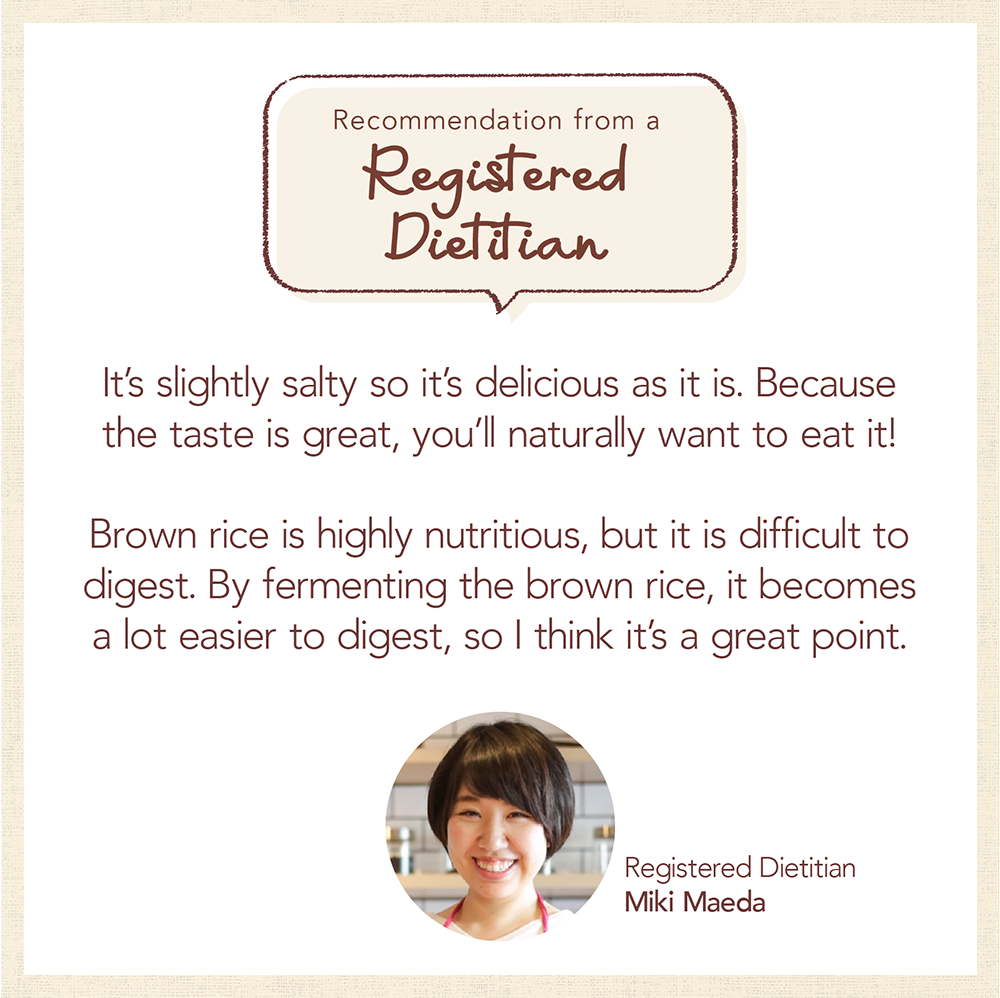
Recipes using enzyme brown rice recommended by Ms. Maeda are introduced in the article below.
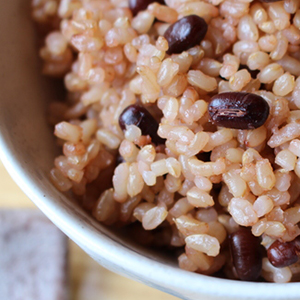
How to Make Enzyme Brown Rice
With an easy-to-follow video, we introduce Kawashimaya’s recommended way to make enzyme brown rice.
The article also covers ingredients and effective ways to enjoy it.
Read the article on how to make enzyme brown rice

It can be enjoyed as is, but heating it makes it even more delicious. When heating, please warm it using a hot water bath or a microwave.
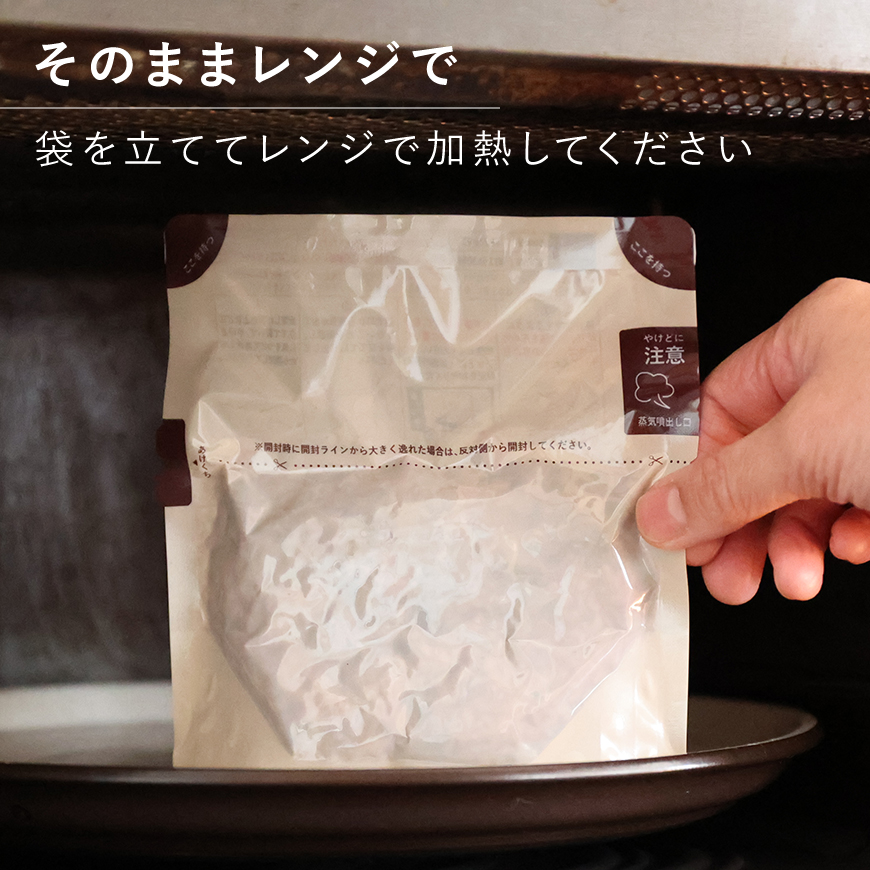
[Microwave] Heat the pouch standing upright with the steam vent facing upward. Approx. just under 2 minutes at 500W, or about 1½ minutes at 600W.
Please Be Careful When Heating
Heating multiple pouches at the same time in the microwave may cause uneven heating.
Please be sure to heat one pouch at a time.
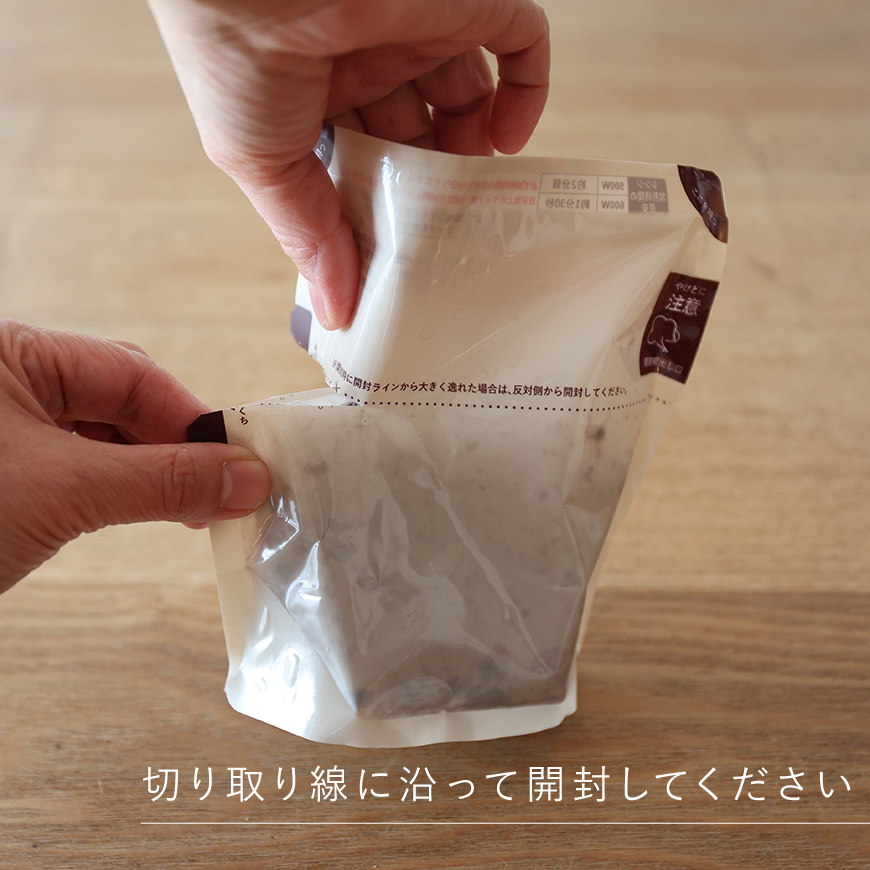
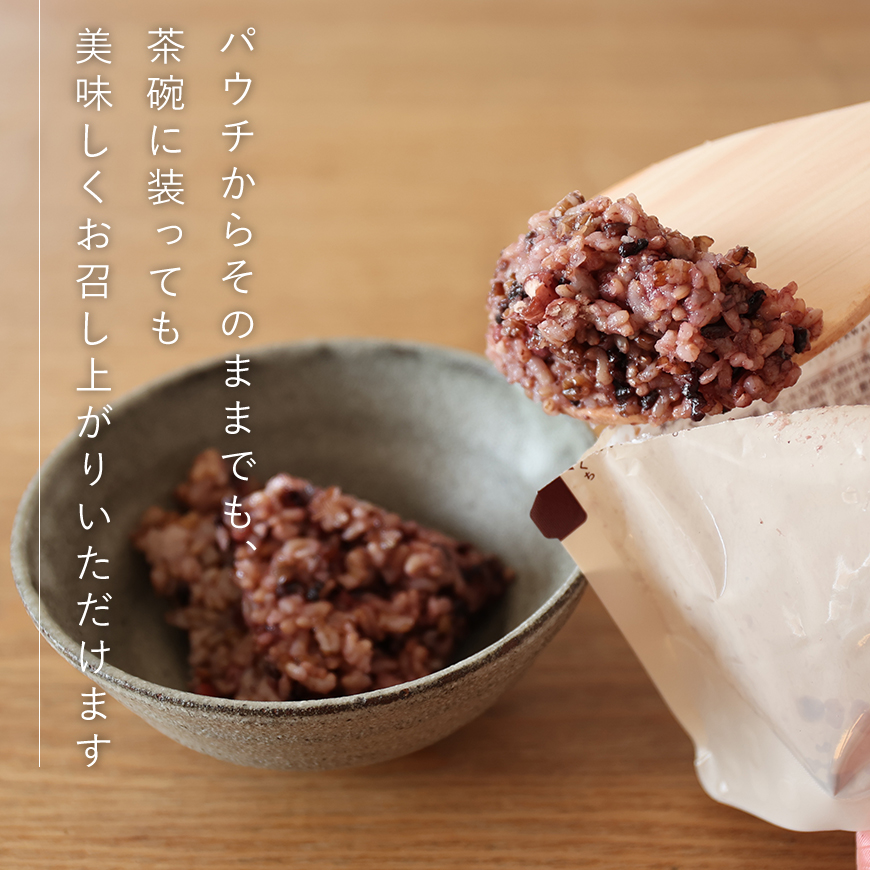
[Hot Water Bath]
Without opening the pouch, heat for about 3–4 minutes.
*When heating in hot water, the label attached to the product may peel off and display old product information. Please rest assured that the information printed on the label is the correct and current product information.

Enzyme brown rice is delicious on its own with its chewy texture, but some of you may want to enjoy different flavors from time to time. Try various arrangements and discover new possibilities.
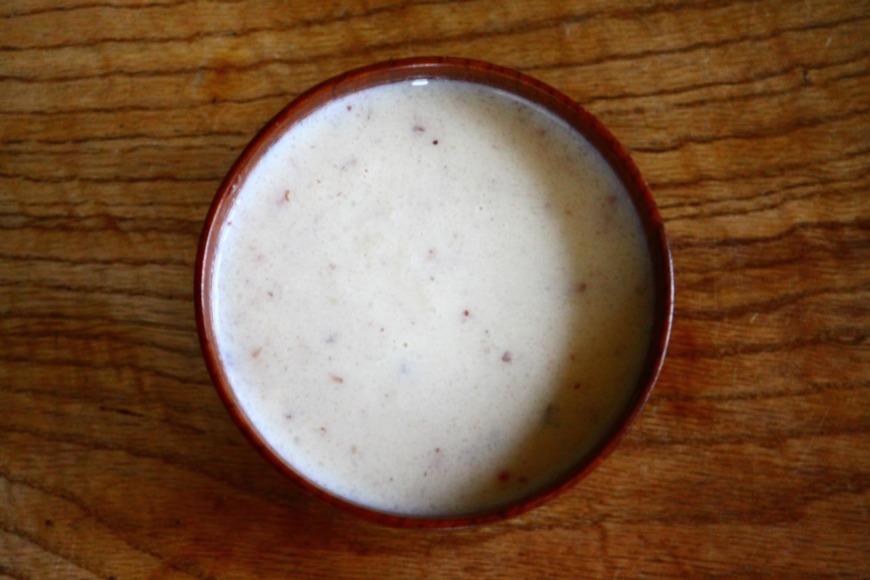
Enzyme Brown Rice Soy Milk Potage
Adding enzyme brown rice to a vegetable-only potage gives it a gentle thickness, umami, and extra nutrition. Besides turnips, you can also make this with carrots, sweet potatoes, and many other vegetables.
Ingredients
- Onion (large)
- 1
- Turnips
- 2–3
- Garlic
- 1 clove
- Enzyme Brown Rice
- 50g
- Butter
- 1 tbsp
- Water
- 250cc
- Soy milk
- 600cc
- Salt
- To taste
Directions
- 1
- Thinly slice the onion, turnips, and garlic.
- 2
- Heat a pot, add butter, and sauté the onion.
- 3
- Once the onion softens, add the turnips and garlic and sauté until coated with oil. Add the enzyme brown rice and water, cover, and simmer for about 5 minutes.
- 4
- Blend until smooth using a blender.
- 5
- Add soy milk and season with salt. You may also add herbs or spices to taste.
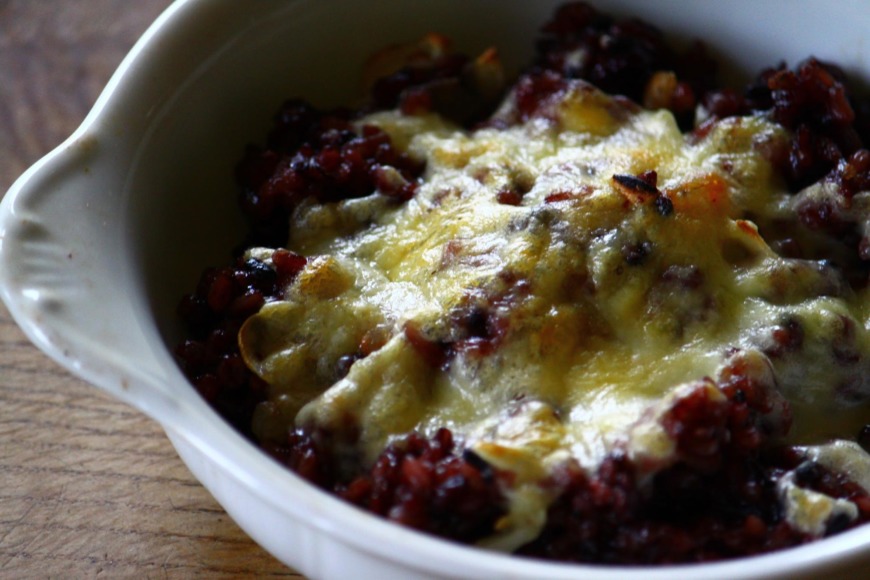
Enzyme Brown Rice Doria-Style
A simple dish perfect for when you want something a little different for a solo lunch. Garlic and black pepper add a punch of flavor, and you can also add vegetables such as rape blossoms or asparagus.
Ingredients
- Olive oil
- 1 tbsp
- Enzyme Brown Rice
- 140g
- Garlic
- 1 clove
- Frozen peeled shrimp
- 50g
- Salt
- A pinch
- Pepper
- To taste
- Cheese
- To taste
Directions
- 1
- Heat a frying pan, add olive oil and garlic, and warm gently over low heat.
- 2
- Add the shrimp and sauté until well combined. Season with salt and pepper, then add the enzyme brown rice and heat lightly.
- 3
- Transfer to a dish, top with cheese, and grill until lightly browned.
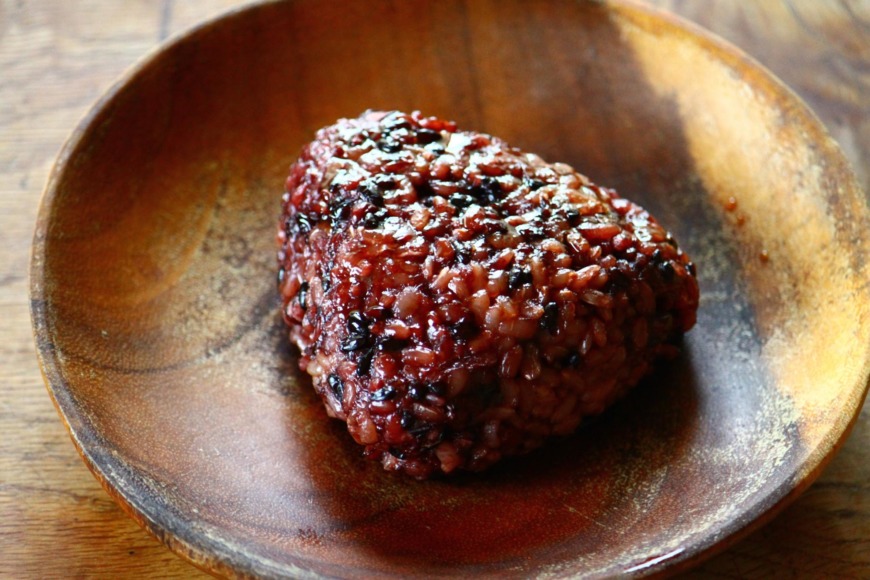
Grilled Enzyme Brown Rice Onigiri
Crispy on the outside and chewy on the inside, this dish lets you fully enjoy the deliciousness of enzyme brown rice. You can also pan-fry it with butter or olive oil for a different flavor.
Ingredients
- Enzyme Brown Rice
- 100g
- Soy sauce
- 1 tsp
- Mirin
- 1 tsp
Directions
- 1
- Form the enzyme brown rice into a rice ball.
- 2
- Heat in a toaster oven or fish grill, browning both sides.
- 3
- Brush with a sauce made by mixing soy sauce and mirin, then grill again until nicely browned.
Frequently Asked Questions
Can infants and young children eat this?
Yes, they can. For children whose teeth have not fully developed yet, cooking it as softly as possible is recommended, as it is easier to digest.
What should I do if I can’t finish it and want to store it?
If you try to store it for a long period after reheating, it may spoil or lose its texture. We recommend dividing it before heating. Wrap the portion you want to store in plastic wrap and keep it in the refrigerator or freezer. When ready to eat, simply reheat it in the microwave.
I heard that enzymes are deactivated at 60–70°C. Can rested brown rice really be called “enzyme brown rice”?
It is often said that enzymes are deactivated above 60°C, but there are many differing theories about enzymes, and many aspects remain unclear. In general, brown rice (and adzuki beans) that has been kept warm for about 2–7 days after cooking is commonly referred to as “enzyme brown rice,” which is why we use this name. In addition, by aging the rice together with the enzymes contained in shio-koji before cooking, protein components are transformed into umami. This process of using enzymes to create change is also the origin of the product name “enzyme brown rice.”
I received enzyme brown rice by mail on a hot day. Is the quality affected?
The product has passed quality degradation tests under high-temperature conditions, so there is no concern about quality deterioration due to heat. However, to avoid degradation, please consume it as soon as possible if you open it while it is still warm. If you prefer not to have the product delivered to your mailbox, please select “Standard Delivery (Kuroneko Yamato)” when placing your order.
I heard that heating in a microwave (high temperature) destroys enzymes. Is this true?
It is generally said that enzymes are deactivated above 60°C, but some enzymes do not deactivate even above 100°C, and there are also heat-resistant coenzymes that are said to have beneficial effects. Enzymes are still a topic of discussion in various studies, and there is no definitive answer at present.
If enzymes were completely deactivated above 60°C, then it could be argued that the product should not be called enzyme brown rice. However, it is generally accepted that brown rice (and adzuki beans) kept warm for about 2–7 days after cooking is referred to as enzyme brown rice. Each manufacturer has its own perspective, and at Kawashimaya, we do not believe that all enzymes in our enzyme brown rice are deactivated, which is why we use this name.
Can it be heated in a hot water bath?
Yes, it can be heated in a hot water bath. Without opening the pouch, place it in boiling water and heat for about 3–4 minutes. When heating in hot water, the label attached to the product may peel off and display old product information. Please rest assured that the information printed on the label is the correct and current product information.
Product Details
| Product Information | |
|---|---|
| Ingredients | Organic brown rice, organic black rice, organic adzuki beans, organic soybeans, organic black soybeans, organic green soybeans, organic red soybeans, organic shio-koji |
| Net Weight | 150g |
| Place of Origin | Organic brown rice: Okayama Prefecture / Organic black rice: Kumamoto & Kagoshima Prefectures / Organic adzuki beans: Hokkaido / Organic shio-koji: Made in Japan / Organic soybeans: Hokkaido / Organic black soybeans: Hokkaido / Organic green soybeans: Gunma Prefecture / Organic red soybeans: Gunma Prefecture |
| Storage Method | Store at room temperature away from direct sunlight. |
| Allergens |
Wheat, Buckwheat,
Egg, Milk,
Peanuts, Shrimp,
Crab, Almond,
Abalone, Squid,
Salmon roe, Orange,
Cashew nuts, Kiwi fruit,
Beef, Walnut,
Sesame, Salmon,
Mackerel, Soybeans,
Chicken, Banana,
Pork, Matsutake mushroom,
Peach, Yam,
Apple, Gelatin (28 specified allergens) |
| Nutrition Facts (per 100g) | Energy: 140kcal / Protein: 5.1g / Fat: 1.8g / Carbohydrates: 25.9g / Salt equivalent: 0.2g |
| Nutrition Facts (per 100g) | Made in Japan, Certified Gluten Free |

Why shop with KAWASHIMAYA?
- We sell only authentic and high-quality products
- 100% Made in Japan products are as listed
- Organic and non-GMO products are as listed
- All products are new and have long expiry date
- All products are handled directly from our warehouse in Tokyo, Japan
- Easy and secure payment options with CC or PayPal
- Safe and insured international shipping methods
- English and Japanese customer support by email
- Wholesale discount prices available for selected products
- Find insightful articles from KAWASHIMAYA Blog
- Get exclusive discounts for KAWASHIMAYA Newsletter subscribers
- Easy shop on KAWASHIMAYA Amazon USA

Brown rice and beans are often thought of as being hard to eat, but thanks to being thoroughly steamed inside the pouch—whether heated in the microwave or in hot water—they turned out soft and easy to eat. Even after cooling, they did not become hard and remained pleasantly chewy, while the soybeans still had a fluffy, hearty texture. The seasoning has a well-balanced saltiness, making it delicious even on its own.